FAQ
Frequently Asked Questions
CENSEI's Frequently Asked Questions
Smart Energy Division
-
What is the objective of the PTj Energy Management Matrix (MaPTeP)?
The PTj Energy Management Matrix (MaPTeP) is designed to assess the implementation and activities of the PTj Energy Management Committee.
-
What is the objective of the monthly PTj energy consumption report?
The monthly report is used to monitor electricity consumption across each PTj (Responsibility Centre).
-
What are the objectives of UTeM's Energy Management?
- To reduce the University's carbon footprint through efficient management of energy, water, and vehicle fuel.
- To reduce energy consumption by 3% annually per square metre of building space, beginning in 2015.
- To achieve an 18% reduction in energy consumption by Fiscal Year 2020 per square metre of building space, using Fiscal Year 2014 as the baseline.
-
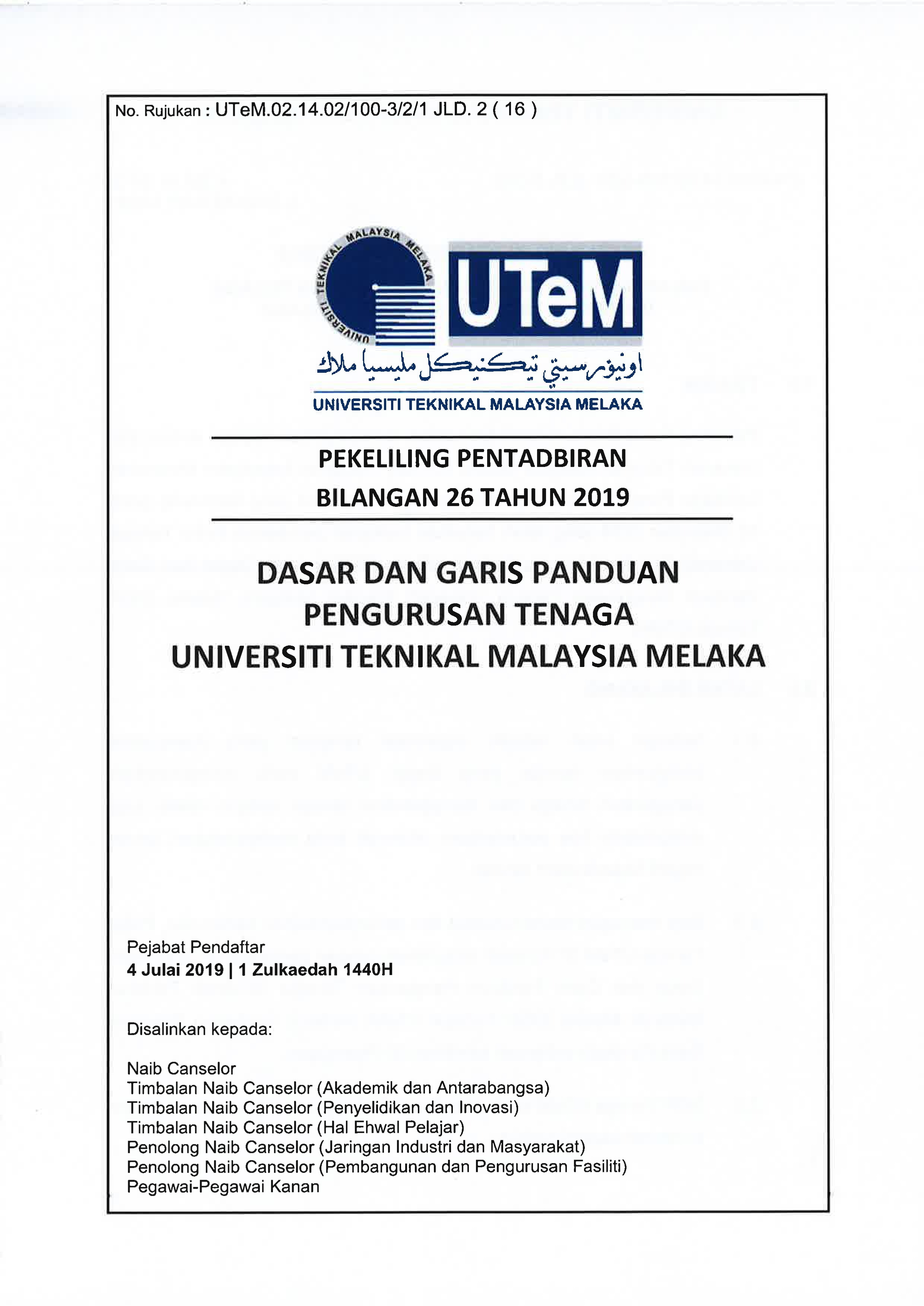
What is the purpose of UTeM's Energy Management Policy?
The policy outlines the University's approach to energy management at Universiti Teknikal Malaysia Melaka (UTeM).
-
What is the purpose of the UTeM Energy Management Guidelines?
The guidelines are intended to clarify and strengthen understanding of energy, water, and vehicle fuel conservation requirements to reduce operational costs for staff, students, non-staff personnel, and visitors.
-
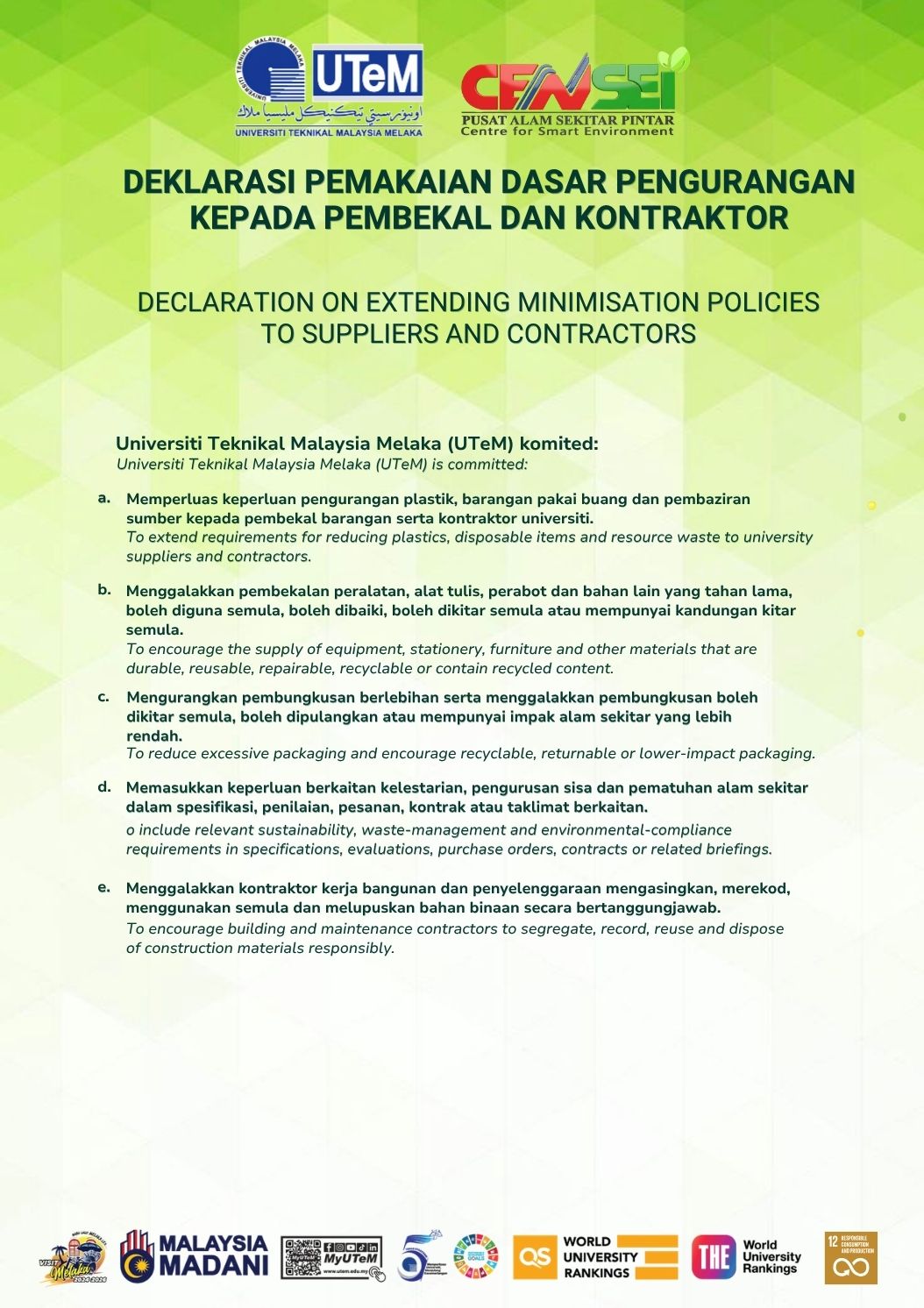
What is GGP?
GGP (Government Green Procurement) refers to the procurement of products, services, and works in the public sector that considers environmental criteria in order to conserve natural resources and minimise the environmental impact of human activities.
-
Why is GGP important?
- Encourages innovation and enhances the competitiveness of local companies.
- Creates larger and new markets for innovative sustainability solutions.
- Promotes investment and strengthens business confidence in Malaysia.
- Supports environmental sustainability.
-
How can I save energy?
- Switch off lights in unused areas.
- Use the stairs instead of the lift whenever possible.
- Put your computer into sleep mode when not in use.
- Use electrical appliances only when necessary.
- Keep windows closed while the air conditioning is operating.
- Switch off all electrical equipment before leaving the office.
- Report any equipment faults to the relevant authority immediately.
-
What is meant by energy efficiency?
Energy efficiency refers to using the same or less energy while achieving equal or better performance. It means consuming less energy to perform the same task or maintain the same level of comfort.
-
Why is the EMGS 3-Star rating important to UTeM?
- It is a key target under the UTeM Strategic Plan 2023–2025.
- It demonstrates the implementation of a sustainable Energy Management System across all PTjs, ensuring consistent compliance with the 3% annual electricity reduction target set by the Energy Commission.
- It recognises UTeM as an organisation that adopts best practices in energy management and serves as a model for other organisations in Melaka, Malaysia, and the ASEAN region.
- It establishes UTeM as the first Malaysia Technical University Network (MTUN) institution and the second public university in Malaysia to receive this rating.
- It supports the achievement of SDG 7 (Affordable and Clean Energy) and SDG 11 (Sustainable Cities and Communities).
- It contributes to higher scores in the UI GreenMetric World University Rankings, THE Impact Rankings, and QS Sustainability Rankings.
-
How can awareness of energy-efficient electricity use be improved?
- Enhance staff and student understanding of energy efficiency policies.
- Encourage participation in energy awareness programmes and activities.
- Establish student Energy Clubs.
- Publish regular updates on energy efficiency initiatives.
- Use media platforms such as websites, Facebook, and other channels to promote awareness.
- Showcase and promote innovations related to energy efficiency to the wider community.
Green Practices Division
-
What are green practices?
Green practices refer to efforts to reduce or minimise the negative impacts of human activities, development, products, equipment, and systems in order to protect and preserve the natural environment.
-
What is Green Technology?
Green Technology refers to products, equipment, or systems that meet the following criteria:
- Minimise environmental degradation.
- Produce low or zero greenhouse gas (GHG) emissions.
- Are safe to use and provide a healthier environment for all living things.
- Promote energy efficiency and the sustainable use of natural resources.
- Encourage the use of renewable resources.
-
What are the objectives of green practices at UTeM?
- Implement effective governance in administration and resource management to achieve UTeM's green practice vision and mission.
- Strengthen governance in research and academic activities related to green practices.
- Monitor the development of environmental awareness and green culture among the UTeM community.
- Report energy consumption analysis and current energy-saving initiatives to the University's top management.
-
How can the 3R (Reduce, Reuse, Recycle) principles be practised in the workplace?
- Use stationery wisely and avoid unnecessary consumption.
- Print or make photocopies only when necessary.
- Print or photocopy on both sides of the paper for formal documents.
- Reuse printed paper for non-formal documents, such as draft copies.
- Reuse envelopes and file folders whenever possible.
- Think before you throw anything away.
- Dispose of recyclable materials in the appropriate recycling bins.
- Order food for meetings and events based on actual requirements to minimise waste.
-
How can environmentally friendly products be used in the workplace?
- Use biodegradable cleaning and maintenance products.
- Choose products that can be recycled.
- Practise Green Procurement.
- Avoid the use of single-use plastic water bottles.
- Avoid using air fresheners in the office.
-
How can water be conserved?
- Use water responsibly.
- Ensure water taps are properly turned off.
- Avoid unnecessary flushing.
- Report leaks or faulty plumbing to the technician immediately.
-
How can vehicles be managed in an environmentally friendly manner?
- Optimise the use of official vehicles by planning shared journeys (carpooling) to the same destination.
- Schedule vehicle usage efficiently by rotating vehicle assignments.
- Use biodegradable and environmentally friendly cleaning products for engines, tools, and workshop equipment.
- Ensure proper workshop management, including responsible disposal of used engine oil and spare parts, while practising the 5S concept.
- Avoid leaving vehicle engines idling or running the air conditioner while waiting for passengers.
-
How can green products and services be prioritised?
- Give priority to environmentally friendly products and services.
- Reduce the use of products containing hazardous or toxic chemicals in cleaning activities.
- Replace damaged lighting with energy-efficient alternatives such as Compact Fluorescent Lamps (CFL), T5 fluorescent tubes, Induction Lights, and Light Emitting Diodes (LEDs).
- Avoid using polystyrene food containers and encourage the use of environmentally friendly food packaging.
-
What are the benefits of Green Technology?
- Reduces environmental pollution.
- Promotes the sustainable management of natural resources.
- Improves human health and well-being.
- Helps mitigate climate change.
-
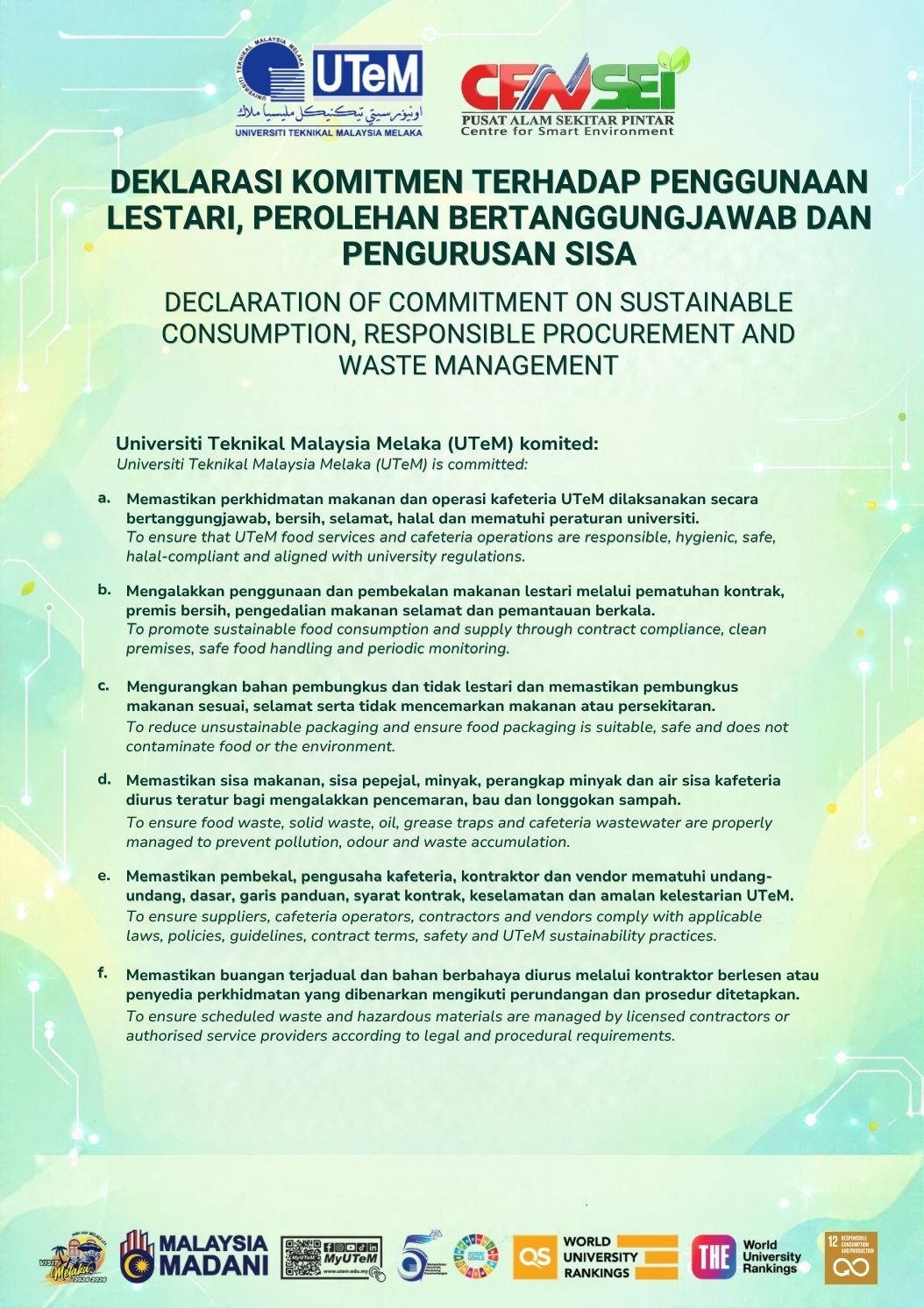
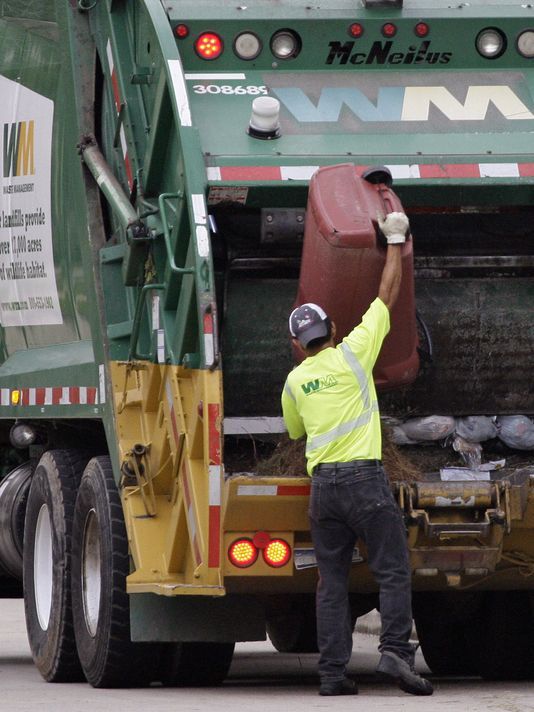
How is waste managed?
- Hits: 164