WASTE MANAGEMENT UTeM
UTeM Waste Management
UTeM’s waste management is a systematic effort to manage and monitor the various types of waste generated across the campus. Effective management is crucial for reducing pollution, minimizing the volume of waste sent to landfills, and preventing health and environmental risks. CENSEi supports this initiative through data monitoring, the promotion of recycling practices, and responsible waste management, aiming to create a clean, safe, and sustainable campus environment.
Solid Waste Data Report
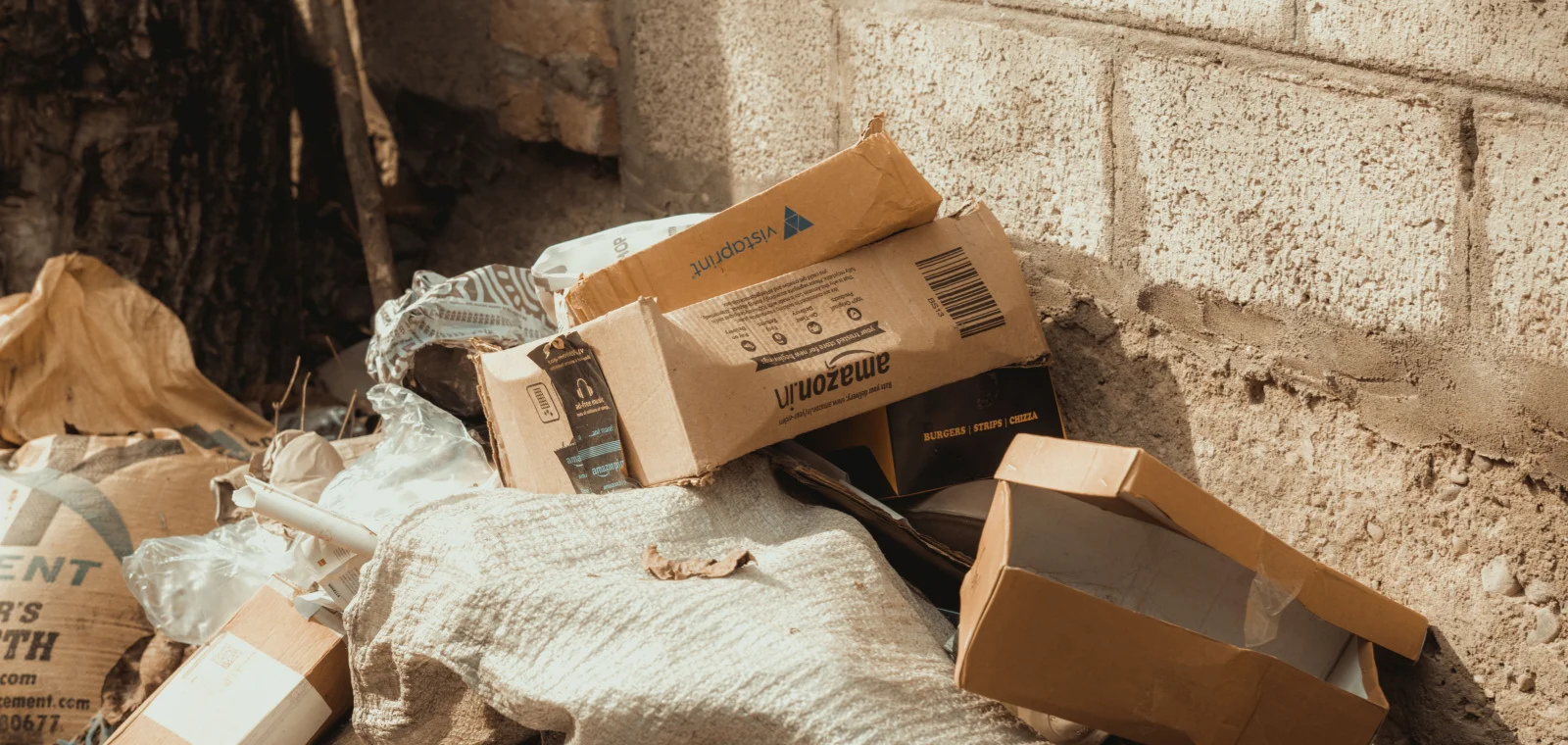
A report on solid waste data generated from daily activities at UTeM, covering waste such as paper, plastic, food waste, and general refuse.
Recyclable Waste Report
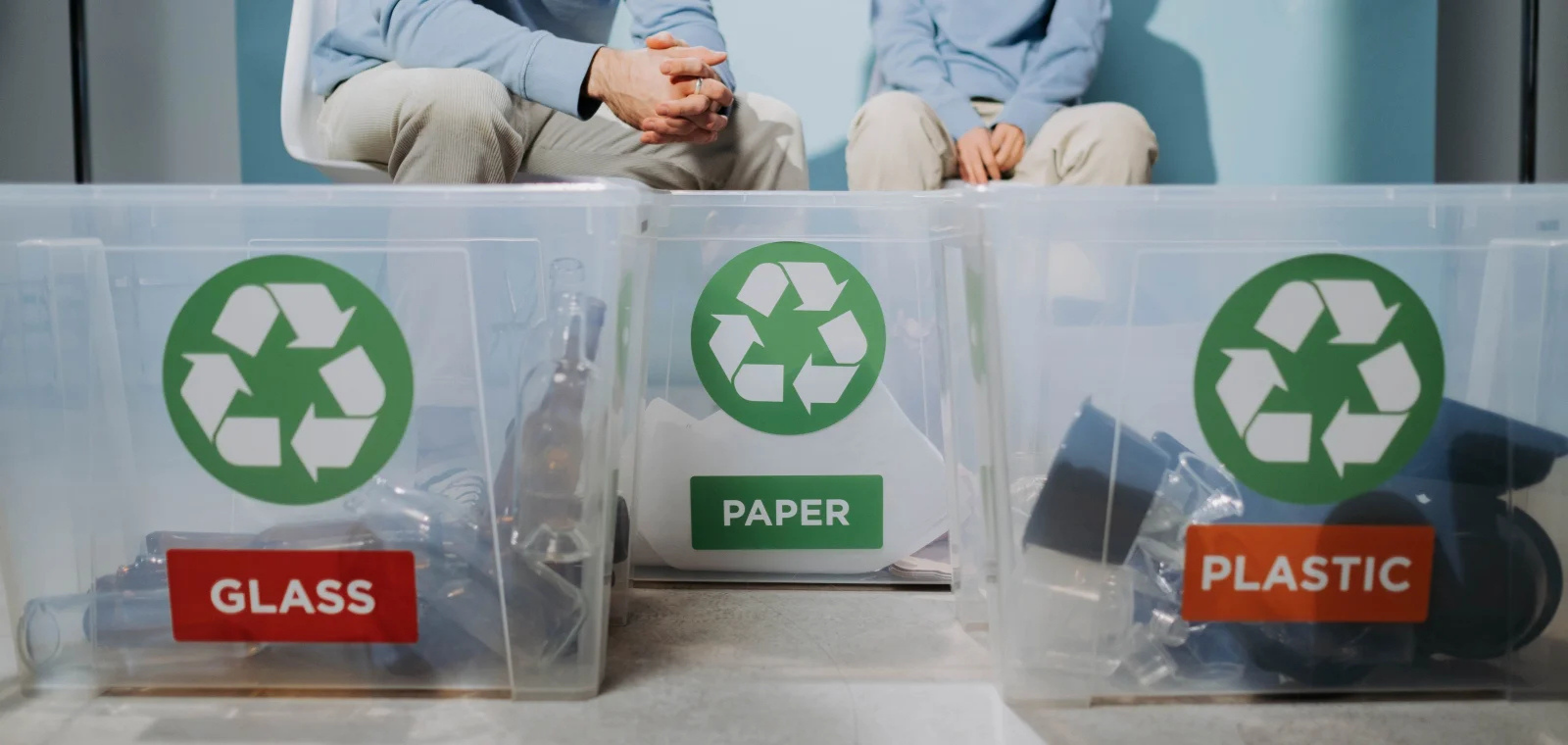
A report concerning recyclable waste materials such as paper, plastic, glass, metal, and other substances suitable for processing and reuse.
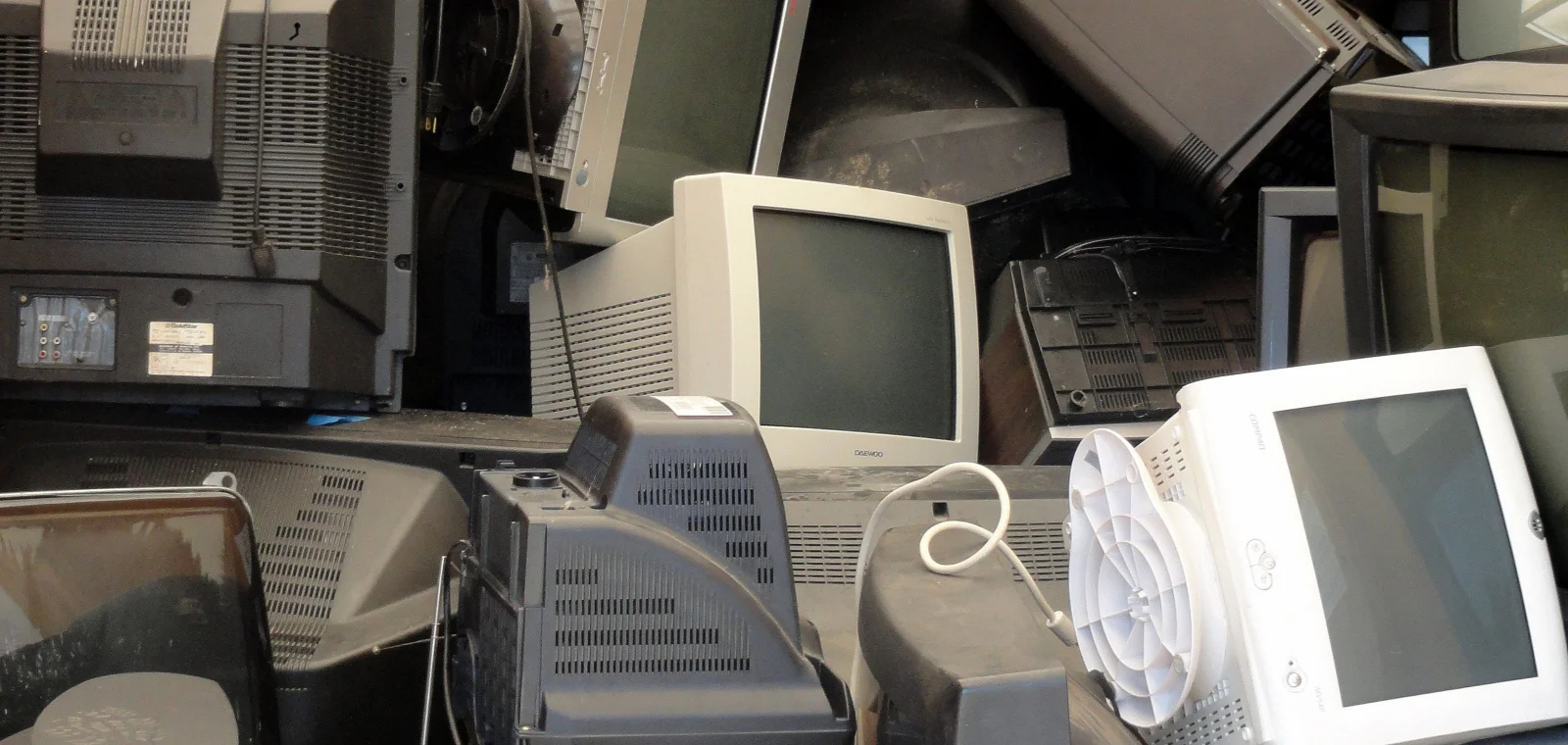
UTeM E-Waste Report
Report regarding waste electrical and electronic equipment that is no longer in use or is damaged, such as computers, printers, cables, telephones, and other electronic devices.
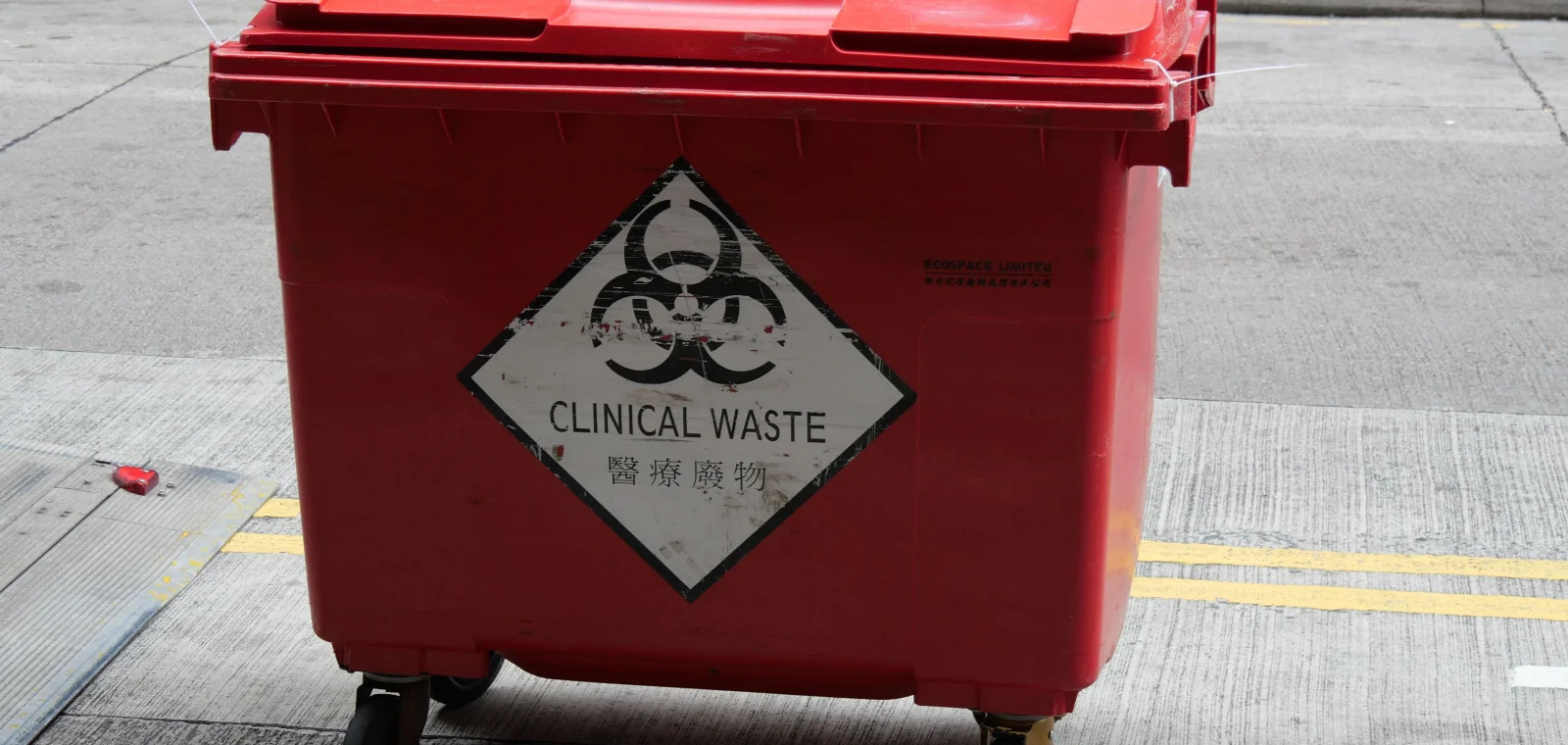
Scheduled Waste Report
Reports concerning waste that possesses hazardous characteristics or has the potential to impact human health and the environment, such as chemicals, used oil, and waste requiring special management.
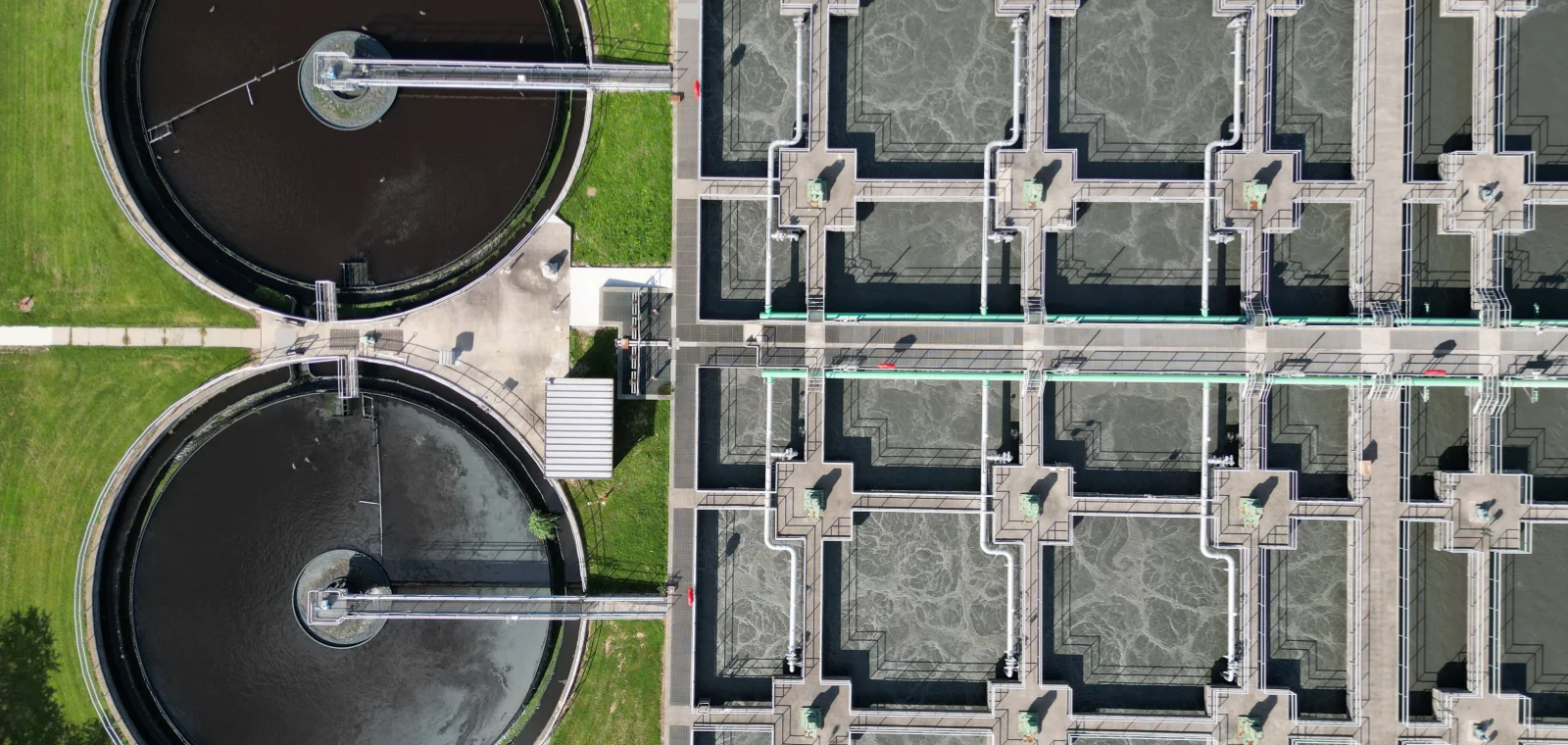
Sewage Waste Report
Report regarding liquid waste and waste materials generated by sanitation systems and water usage activities, including wastewater from toilets, sinks, and other facilities.
Read more …WASTE MANAGEMENT UTeM
- Hits: 570